
Email Us
info@pumpkingmech.com
2013Year
We're Award Winning Company
-

ISO Certification
-

QA/QC standard
-

CE Mark
-

IQNet mark
abrasive liquid pumps
Industry Trends and the Critical Role of Abrasive Pumps In the demanding world of industrial processing, the efficient and reliable transfer of abrasive slurries is paramount. Industries such as mining, mineral processing, power generation, and chemical manufacturing constantly grapple with fluids containing hard, solid particles that can rapidly erode conventional pumping equipment. This is where the specialized engineering of an abrasive pump becomes indispensable. These robust machines are specifically designed to withstand the harsh conditions imposed by abrasive media, ensuring continuous operation, minimizing downtime, and significantly extending service life. Current industry trends emphasize enhanced operational efficiency, reduced environmental impact, and lower total cost of ownership (TCO). This drives innovation in the design and materials of pumps, pushing manufacturers to develop more resilient and energy-efficient solutions. The demand for advanced materials, smart monitoring systems, and modular designs that allow for easier maintenance and component replacement is steadily increasing. Furthermore, the global push towards sustainable practices means that companies are seeking pumps that not only perform exceptionally but also consume less energy and generate less waste. The evolution of the abrasive pump is directly tied to these macroscopic trends, ensuring that critical processes remain productive and compliant with modern industrial standards. The Meticulous Manufacturing Process of Abrasive Pumps The creation of a high-performance abrasive pump involves a sophisticated sequence of engineering and manufacturing steps, each designed to ensure maximum durability and operational reliability. This process is far more intricate than that of standard centrifugal pumps, primarily due to the extraordinary wear resistance required. 1. Design and Material Selection The journey begins with advanced computational fluid dynamics (CFD) and finite element analysis (FEA) to optimize hydraulic design, minimizing turbulence and particle impact. Crucially, material selection is paramount. For handling abrasive fluid pump applications, common materials include high-chrome white iron alloys (e.g., A05, A07, A49, 27% Cr), rubber (e.g., natural rubber, synthetic elastomers like Neoprene), and specialized ceramics. These materials are chosen for their superior hardness (typically 58-65 HRC for high-chrome alloys), toughness, and corrosion resistance, ensuring extended service life even with highly aggressive media. 2. Precision Casting and Forging Wear parts like impellers, volute liners, and throat bushes are often produced via precision casting. This involves melting the selected wear-resistant alloys and pouring them into sand molds. Advanced metallurgical control ensures the correct microstructure for optimal hardness and strength. Forged components, such as shafts, provide superior tensile strength and fatigue resistance. These processes are meticulously controlled to prevent defects like porosity or inclusions that could compromise integrity. 3. Advanced CNC Machining Post-casting or forging, components undergo advanced CNC (Computer Numerical Control) machining. This ensures precise dimensional accuracy and smooth surface finishes critical for hydraulic performance and component fit. Tight tolerances, often within micrometers, are maintained for critical interfaces, such as those between the impeller and casing, to prevent leakage and optimize efficiency. Specialized tooling is used to machine hard materials effectively. 4. Assembly and Quality Control Skilled technicians assemble the various components, including bearings, seals (mechanical seals or gland packing), and power frames. Each step of assembly is followed by rigorous quality control checks. Non-destructive testing methods like ultrasonic testing or dye penetrant inspection are employed to detect any internal flaws in critical components. Surface finishes are inspected for imperfections that could lead to premature wear. 5. Performance Testing and Certification Finally, every abrasive handling pump undergoes comprehensive performance testing in accordance with international standards such as ISO 9906 (for centrifugal pumps - hydraulic performance acceptance tests) and ANSI/HI 1.1-1.2 (for centrifugal pumps), or other relevant industry-specific standards. This includes verifying flow rate, head, power consumption, vibration levels, and NPSH (Net Positive Suction Head) requirements. The pump's service life is significantly enhanced through this meticulous process, often exceeding industry averages by 30-50% compared to standard pumps in similar abrasive applications. Target industries benefiting from these robust pumps include petrochemical, metallurgy, mining, and water supply & drainage, where energy saving and exceptional corrosion resistance are paramount in scenarios involving high-concentration abrasive slurries. Technical Specifications and Parameters for Abrasive Liquid Pumps Understanding the technical specifications of an abrasive liquid pump is crucial for proper selection and optimized operation in any industrial setting. Key structural components like the impeller, volute casing, wear plates (liners), and shaft sealing mechanism are engineered with specialized materials and designs to resist the severe wear caused by solid particles. The impeller, often of an open or semi-open design with robust vanes, is typically made from high-chrome alloy for maximum abrasion resistance. The volute casing and liners are designed with thick cross-sections and often include replaceable wear parts, extending the overall life of the pump and simplifying maintenance. Shaft sealing, critical to preventing leakage of abrasive fluids, often employs heavy-duty mechanical seals or expeller seals for effective exclusion of solids from the shaft area. Key Operating Parameters: Flow Rate (Q): Typically measured in m³/h or GPM, indicating the volume of fluid transferred per unit time. Total Dynamic Head (H): The energy added to the fluid, expressed in meters or feet, essential for overcoming friction and elevation. Power (P): The energy required to drive the pump, measured in kW or HP. NPSH (Net Positive Suction Head) Required: A critical parameter to prevent cavitation, ensuring sufficient pressure at the pump inlet. Solids Handling Capability: Defined by maximum particle size and concentration (weight percentage or volume percentage) the pump can effectively manage. Material Hardness: For wear parts, often measured in Rockwell (HRC) or Brinell (HB) to quantify resistance to indentation and abrasion. WAD Weak Abrasive Duty Slurry Pump, engineered for demanding industrial applications. WAD Weak Abrasive Duty Slurry Pump (Replace L/M) – Example Specifications The WAD series, replacing traditional L/M models, represents a significant advancement in weak abrasive pump technology, offering enhanced durability and performance. Here's a look at typical specifications for a WAD Weak Abrasive Duty Slurry Pump: Parameter Specification (Example WAD 100D) Notes Discharge Diameter 100 mm (4 inches) Standard industrial sizing Capacity (Flow Rate) 50 - 250 m³/h Varies with impeller speed Head 10 - 40 m Designed for medium-head applications Max. Solids Size 20 mm Suitable for coarse particles Casing Material Cast Iron with Wear Liners Optimized for strength and maintainability Impeller Material High Chrome Alloy (A05) or Rubber Selected based on application and pH Shaft Seal Type Gland Packing or Mechanical Seal Configurable for specific needs Efficiency Range 60% - 75% Hydraulic efficiency at BEP (Best Efficiency Point) Max. Operating Pressure 1.6 MPa (16 Bar) Robust construction for pressure Application Scenarios and Technical Advantages The versatility and resilience of an abrasive pump make it an essential component across a multitude of heavy industrial sectors where abrasive slurries are part of the daily operation. These pumps excel in environments that would rapidly degrade standard pumping equipment, showcasing superior technical advantages. Typical Application Scenarios: Mining and Mineral Processing: Transferring ore slurries, tailings, and heavy media separation (HMS) fluids. For instance, in gold or copper mining, pumps handle slurries with quartz, sulfides, and other hard minerals. Power Generation: Handling fly ash, bottom ash, and lime slurries in thermal power plants, where high temperatures and corrosive abrasive media are common. Metallurgy: Slurry transport in steel mills, aluminum production, and other metal processing operations, including scale pit dewatering and furnace slag removal. Chemical Processing: Transferring abrasive chemicals, catalyst slurries, or process waste streams containing suspended solids. Dredging and Sand & Gravel: Moving sand, gravel, and sediment from riverbeds, lakes, or coastal areas. The high concentration of large, sharp particles demands extreme wear resistance. Wastewater Treatment: Pumping grit, primary sludge, and other heavily loaded sewage streams in municipal and industrial wastewater facilities. Key Technical Advantages: Enhanced Wear Resistance: Utilizing specialized high-chrome alloys (e.g., A05, 62 HRC) or robust elastomers, these pumps significantly extend component life in highly abrasive environments, reducing the frequency of replacements by up to 3-5 times compared to standard pumps. High Efficiency and Energy Savings: Optimized hydraulic designs reduce turbulence and friction, resulting in higher hydraulic efficiency. This translates to substantial energy savings, often reducing power consumption by 10-15% over conventional designs, leading to lower operational costs. Reduced Maintenance and Downtime: The robust construction and use of wear-resistant materials minimize the need for frequent repairs. Replaceable wear liners and modular designs facilitate quicker maintenance cycles, significantly boosting overall plant availability. Exceptional Operational Stability: Designed for continuous duty under severe conditions, these pumps offer reliable performance, maintaining consistent flow and head even with fluctuating slurry properties, which is crucial for process control. Corrosion Resistance (Optional): For applications involving both abrasion and corrosive chemicals, specific material combinations (e.g., high-chrome with corrosion inhibitors, or specialized rubber linings) are employed to resist chemical attack alongside physical wear. Higher Solid Concentration Handling: Capable of managing slurries with higher specific gravity and greater percentages of solids, preventing blockages and ensuring smooth transport of dense media. These advantages directly contribute to a lower total cost of ownership by extending asset life, reducing energy expenditure, and minimizing costly interruptions, making the abrasive pump a strategic investment for heavy industries. Vendor Comparison and Customized Solutions for Abrasive Pumps Selecting the right abrasive pump vendor is a critical decision that extends beyond initial purchase price, encompassing long-term performance, reliability, and support. A thorough comparison often reveals significant differences in product quality, engineering expertise, and service capabilities. Vendor Comparison Considerations: Material Quality and Wear Life: Evaluate the metallurgical composition of wear parts (e.g., actual chrome content, heat treatment processes) and independently verified wear life data. Hydraulic Design Efficiency: Look for pumps with high hydraulic efficiency at your specific operating point, validated by performance curves and test reports. After-Sales Support & Spares: Assess the availability of spare parts, lead times, and the responsiveness of technical support and field service engineers. Customization Capabilities: The ability to tailor pump designs, materials, and sealing arrangements to unique process requirements. Industry Experience & Reputation: Choose vendors with a proven track record in your specific industry and demonstrable case studies. Product Comparison: Standard Slurry Pump vs. High-Performance Abrasive Pump (e.g., WAD Series) To illustrate the tangible benefits, consider a comparison between a standard slurry pump and a high-performance abrasive handling pump like the WAD series: Feature Standard Slurry Pump (Generic) High-Performance Abrasive Pump (e.g., WAD Series) Wear Part Material Lower Grade High-Chrome (e.g., 20% Cr) or basic rubber Premium High-Chrome (e.g., A05 / 27% Cr, 62 HRC) or advanced elastomers Impeller Design Basic hydraulic design, less optimized for solids Advanced hydraulic profile with expeller vanes, optimized for high solids, low wear Expected Wear Life (Relative) Short to Medium (e.g., 3-6 months in heavy duty) Longer (e.g., 9-18 months in heavy duty), 2-3x improvement Energy Efficiency Moderate (e.g., 55-65% at BEP) High (e.g., 70-80% at BEP), 10-15% energy saving Maintenance Frequency High, frequent component replacement Low, extended intervals between maintenance Total Cost of Ownership Higher due to frequent parts, energy, and downtime Lower due to extended life, efficiency, and less downtime Customized Solutions: Tailoring the Abrasive Pump Optimal performance from an abrasive pump often hinges on its ability to be customized for specific process requirements. A reputable manufacturer offers extensive customization options: Material Configuration: Tailoring wear parts (impeller, liners) with different materials (e.g., specific high-chrome alloys, natural rubber, synthetic rubber, ceramics) based on slurry pH, particle hardness, shape, and size. Sealing Arrangements: Customizing shaft seals (mechanical, expeller, or packed gland) for zero-leakage requirements, dry running protection, or specific pressure conditions. Drive and Mounting Options: Integrating with various motor types, variable frequency drives (VFDs) for precise flow control, and specific mounting configurations (e.g., horizontal, vertical, submersible). Special Coatings and Linings: Applying specialized coatings or internal linings for extreme corrosion resistance or to further enhance wear properties. Instrumentation and Monitoring: Integrating sensors for vibration, temperature, pressure, and flow, providing real-time data for predictive maintenance and operational optimization. These tailored solutions ensure that the abrasive liquid pump precisely matches the operational demands, leading to unparalleled efficiency and longevity. Real-World Application Case Studies The efficacy of a high-performance abrasive pump is best demonstrated through its successful deployment in challenging industrial environments. Here are illustrative case studies highlighting the impact of specialized pump solutions: Case Study 1: Iron Ore Beneficiation Plant A large iron ore beneficiation plant in Western Australia faced persistent issues with premature wear in their cyclone feed pumps, which handled highly abrasive magnetite slurry (SG 1.8, 40% solids by weight, D80 150 µm). Standard pumps required impeller and liner replacements every 3 months, leading to significant downtime and maintenance costs. Upon implementing a specialized abrasive pump with A05 (27% High Chrome) wear parts and an optimized impeller design, the plant observed a remarkable improvement. The average wear life of the main components increased to 11 months, reducing component consumption by over 70% annually. Furthermore, the pump's higher hydraulic efficiency led to a measurable 8% reduction in power consumption for that specific circuit, translating to substantial energy savings and a reduced environmental footprint. Case Study 2: Coal-Fired Power Plant Ash Handling A major coal-fired power station encountered severe erosion in its ash slurry disposal system, where bottom ash (highly abrasive, irregular particles up to 15mm) was pumped over long distances. Their existing pumps experienced frequent failures, particularly with gland packing, leading to significant leakage and environmental concerns. A custom-engineered abrasive pump solution featuring a robust rubber-lined casing and a specific expeller seal arrangement was installed. The rubber lining provided superior impact resistance against the coarse ash, while the expeller seal effectively prevented abrasive particles from entering the shaft seal area, eliminating leakage. As a result, pump uptime improved by 45%, maintenance frequency for sealing components dropped by 90%, and the need for frequent clean-up operations was virtually eliminated, boosting operational safety and compliance. Case Study 3: Industrial Wastewater Treatment Grit Removal In a municipal wastewater treatment plant, the grit removal section utilized standard sewage pumps that struggled with the high concentration of sand and grit. Impeller wear was excessive, requiring quarterly replacements, and leading to inconsistent grit removal efficiency. The upgrade to an abrasive pump , specifically designed for abrasive liquid handling, with a hardened cast iron casing and a specialized wear-resistant impeller, resolved these issues. The new pump demonstrated a wear part life of over 15 months, a five-fold increase, and maintained consistent flow rates even with fluctuating grit loads. This reduced operational expenditure for spares and labor, and improved the overall efficiency of the grit removal process, preventing downstream equipment damage. These instances underscore the value of investing in purpose-built abrasive pumps, highlighting their capability to deliver long-term reliability, substantial cost savings, and enhanced operational performance in the most demanding industrial applications. Building Trust: Certifications, Support, and Guarantees For B2B decision-makers, trust is paramount. This trust is built not only on the technical merits of an abrasive pump but also on the underlying expertise, authoritative certifications, and comprehensive support systems offered by the manufacturer. Authoritative Certifications and Industry Standards Reputable manufacturers adhere to stringent international standards to guarantee product quality and performance. Our products, including our range of abrasive liquid pumps , are typically certified to ISO 9001 for quality management systems, ensuring consistent production and quality control. Furthermore, pumps are designed and tested to meet or exceed industry-specific standards such as ISO 9906 (Hydraulic performance acceptance tests for centrifugal pumps) and ANSI B73.1 (Specifications for horizontal end suction centrifugal pumps for chemical process). Our long-standing partnerships with leading industrial clients over decades of service underscore our commitment to excellence and reliability in demanding applications. Frequently Asked Questions (FAQ) Q: What differentiates an abrasive pump from a standard slurry pump? A: Abrasive pumps feature specialized wear-resistant materials (e.g., high-chrome alloys, specific elastomers) and optimized hydraulic designs to minimize erosion and extend operational life when handling harsh, solid-laden fluids, unlike general slurry pumps. Q: How do I choose the correct material for my abrasive pump's wear parts? A: Material selection depends on several factors: the abrasiveness, size, and shape of particles; the pH and chemical composition of the fluid; and operating temperature. Our technical team provides expert consultation to specify the optimal material (e.g., high-chrome for sharp, hard particles; rubber for fine, soft particles or corrosive slurries). Q: What is the typical lead time for an abrasive pump and spare parts? A: Standard abrasive pumps usually have a lead time of 6-10 weeks, depending on customization. Critical spare parts are often stocked and can be dispatched within 1-2 weeks. We also offer expedited manufacturing options for urgent requirements. Q: What kind of warranty do you offer on your abrasive pumps? A: We provide a standard 12-month warranty from the date of commissioning or 18 months from the date of shipment (whichever comes first) against manufacturing defects. Extended warranty options are available for specific projects and service contracts. Lead Time, Fulfillment, and After-Sales Support We understand the critical nature of timely delivery and unwavering support. Our robust supply chain and manufacturing capabilities ensure efficient fulfillment of orders, with clear communication on lead times. Post-purchase, our commitment continues with comprehensive after-sales support, including: Technical Assistance: A dedicated team of engineers provides remote and on-site technical support for installation, commissioning, and troubleshooting. Spare Parts Management: An extensive inventory of genuine spare parts ensures quick availability, minimizing downtime during maintenance. Maintenance Training: We offer training programs for client personnel on proper pump operation, maintenance, and wear part replacement to maximize pump longevity. Performance Monitoring: Options for integrating predictive maintenance systems to monitor pump health and optimize operational schedules. Our goal is to ensure seamless operation and provide a complete lifecycle solution for every abrasive pump we deliver. Conclusion and Authoritative References The continued evolution of the abrasive pump underscores its indispensable role in the backbone of heavy industries. With advancements in materials science, hydraulic design, and intelligent monitoring systems, modern abrasive pumps are not just components but strategic assets that drive efficiency, reduce operational costs, and enhance the sustainability of critical processes. Investing in high-quality, expertly engineered abrasive pumping solutions is a prerequisite for reliable and profitable operations in environments where abrasive slurries are a constant challenge. As industries move towards more resource-efficient and environmentally conscious practices, the demand for robust, energy-efficient, and long-lasting abrasive pumps will only intensify. Manufacturers committed to innovation, stringent quality control, and comprehensive customer support will continue to lead the way in providing solutions that meet these escalating demands. References ISO 9906:2012. Rotodynamic pumps — Hydraulic performance acceptance tests — Grades 1, 2 and 3. International Organization for Standardization. ANSI/HI 1.1-1.2-2014. American National Standard for Rotodynamic (Centrifugal) Pumps for Nomenclature, Definitions, Applications, and Operation. Hydraulic Institute. Journal of Engineering Tribology, Sage Publications. (For general principles of abrasive wear and material selection in pumps). Coal Ash Management and Utilization – Current Regulatory Trends and Global Perspectives, World Bank Group. (For insights into power plant ash handling).
20+
Business
Experience
Experience
-
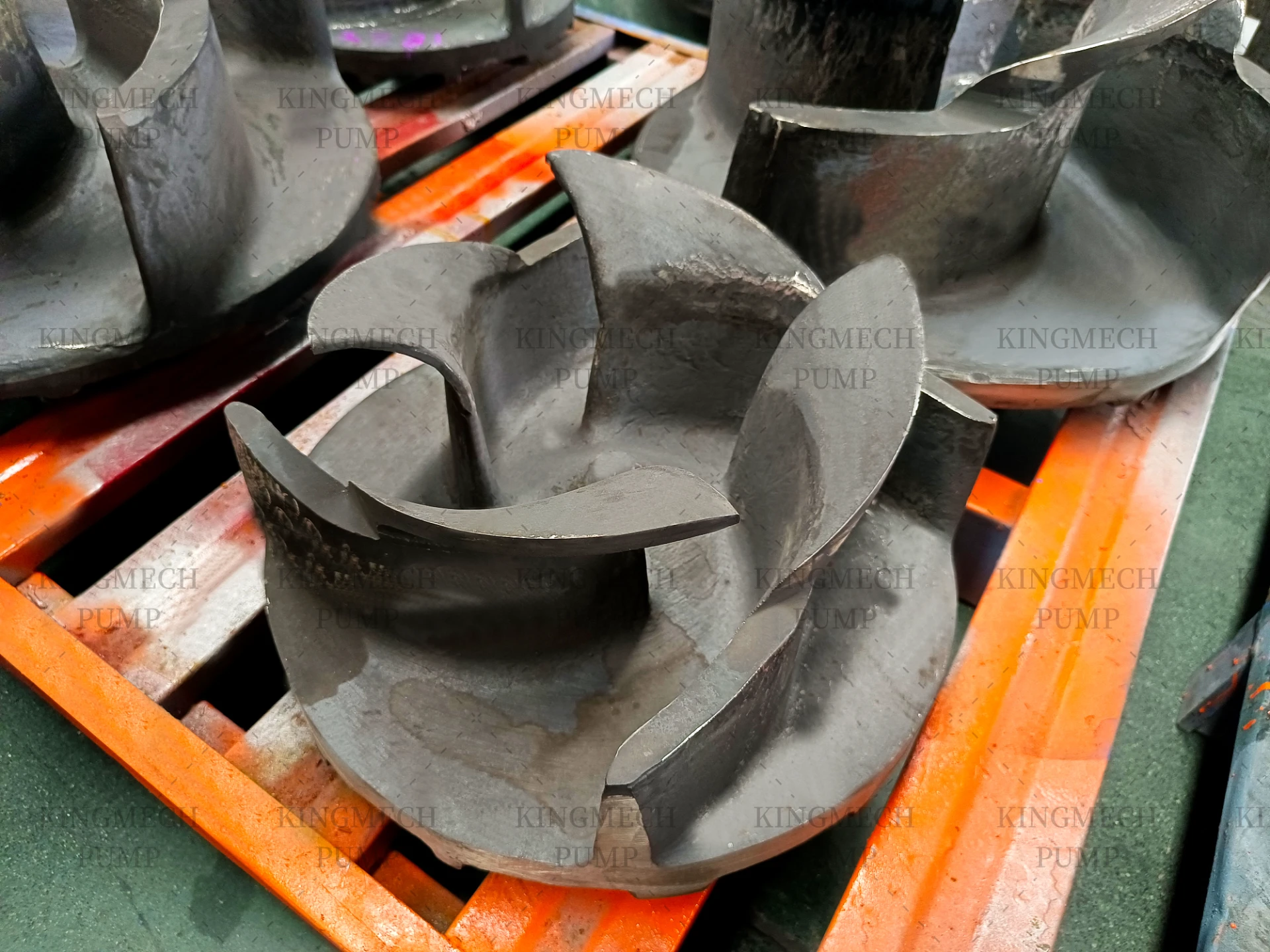 Navigating the Demands of Abrasive Fluid Handling In various heavy industries, the efficient and reliable transfer of highly abrasive slurries is a critical challenge. These slurries, often containing high concentrations of solid particles, pose significant wear and tear risks to conventional pumping equipment, leading to frequent downtime, high maintenance costs, and reduced operational efficienc
 -
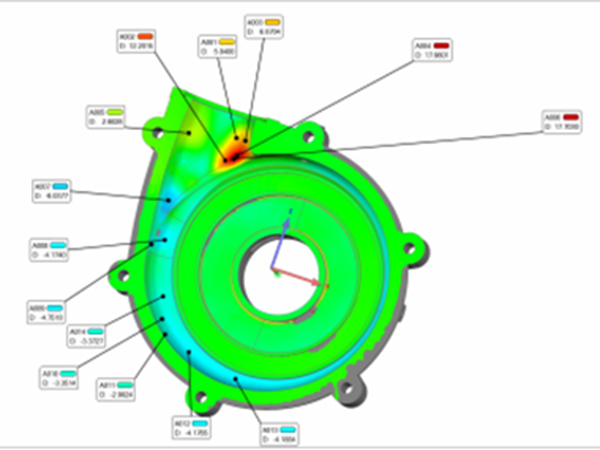 Navigating the Demands of Abrasive Fluid Handling In various heavy industries, the efficient and reliable transfer of highly abrasive slurries is a critical challenge. These slurries, often containing high concentrations of solid particles, pose significant wear and tear risks to conventional pumping equipment, leading to frequent downtime, high maintenance costs, and reduced operational efficienc
 -
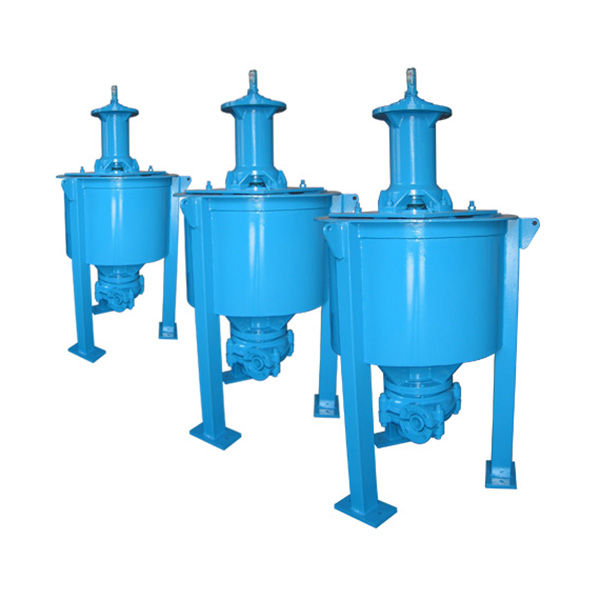 In the bustling world of mineral processing plants, slurry pumps play an indispensable role. These pumps are the workhorses that keep the production lines running smoothly by efficiently transporting abrasive and viscous slurries, which are a mixture of minerals, water, and other substances. Hebei Xiangmai Pump Industry Co., Ltd., established in 2013, stands as a professional factory in this domai
Our Advantage
Your Slurry Solutions Partner
-
01Systematic Quality AssuranceWe have a strict quality inspection process and strictly control every link in the production process.
-
02On-schedule DeliveryWe have mature manufacuring lines and strategic inventory managment to ensure on-schedule delivery of validated solutions.
-
03Technical TeamWe have 10+ specialized engineers deploying expertise across pump design, prototyping and testing.
-
04Customized ServicesOur products include 10+ series of slurry pumps, featuring 100+ varieties and 1000+ models to meet the diverse customized needs.
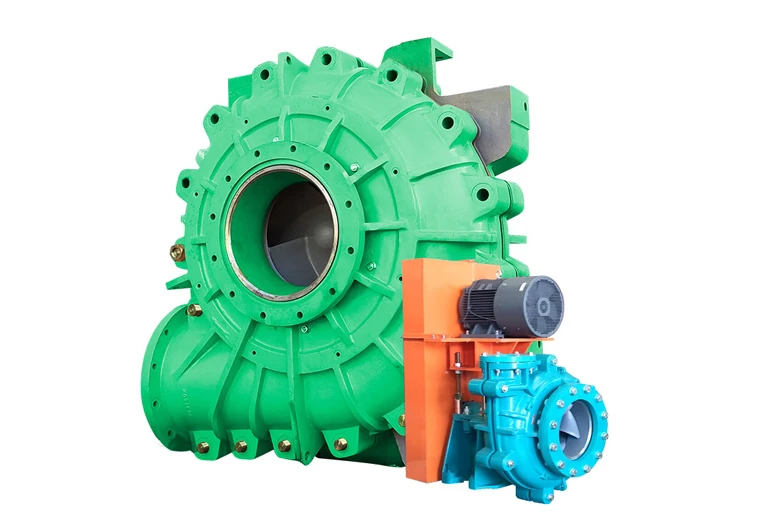
-
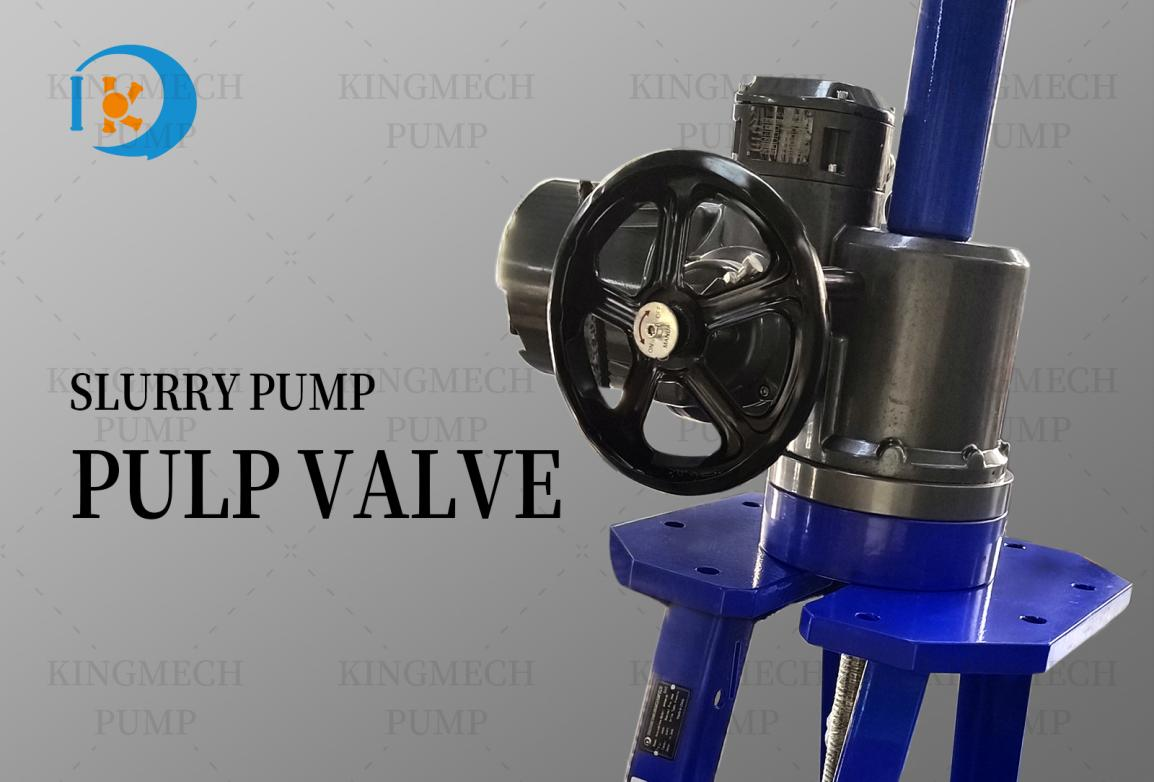 The pulp valve is a non-packing knife gate valve, sealed by a synthetic rubber sleeve in the valve chamber. Elastic bushings can be replaced on site.
 -
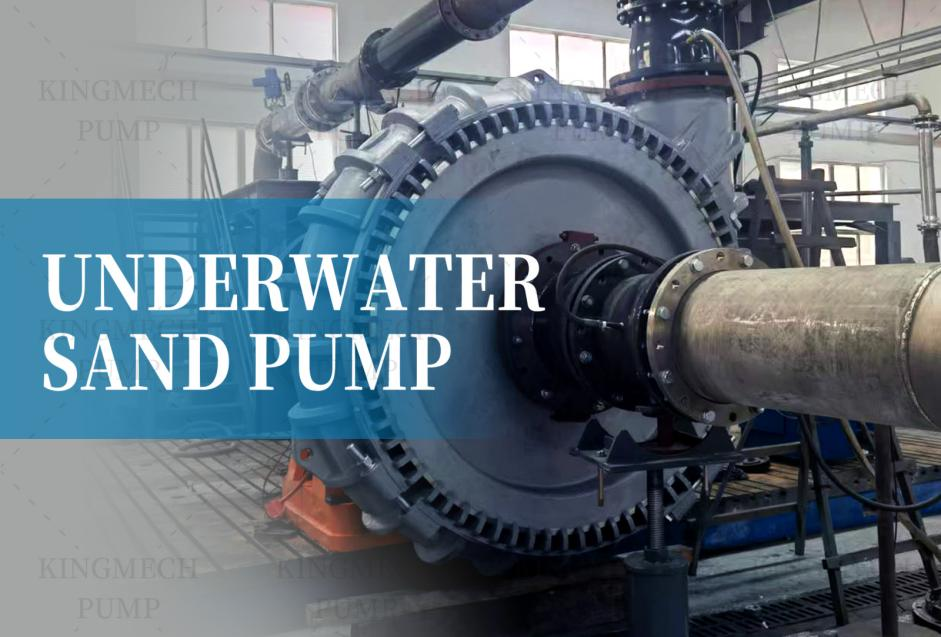 The underwater sand dredging pump 450/400HOL-DGHD adopts a new bearing assembly seal independently designed and developed by the company.
 -
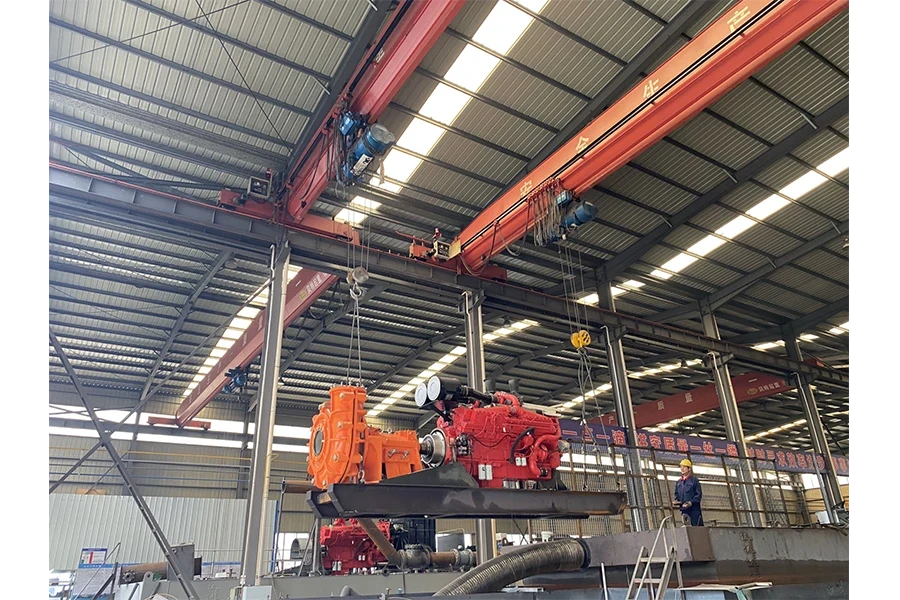 A dewatering pump is specifically designed to remove water from construction sites, mines, tunnels, basements, and other areas where unwanted water accumulation can hinder operations or cause structural damage.
-
 Industrial Manufacturing Solutions
 -
 Metallurgy and Mining Applications
 -
 Energy and Oilfield Equipment
 -
 Chemical Processing Systems
DISTRIBUTED COUNTRIES
Where we Service
Our members are spread across 89 countries. We look forward to working hand in hand with more partners to create a bright future together.

USA
Chile
Argentina
Australia
Indonesla
Philippines
Singapore
Singapore
UK
Portugal
Yekaterinburg
South Africa
Finland
st. petersburg
Viernam
Laos
siberia
Russia
-
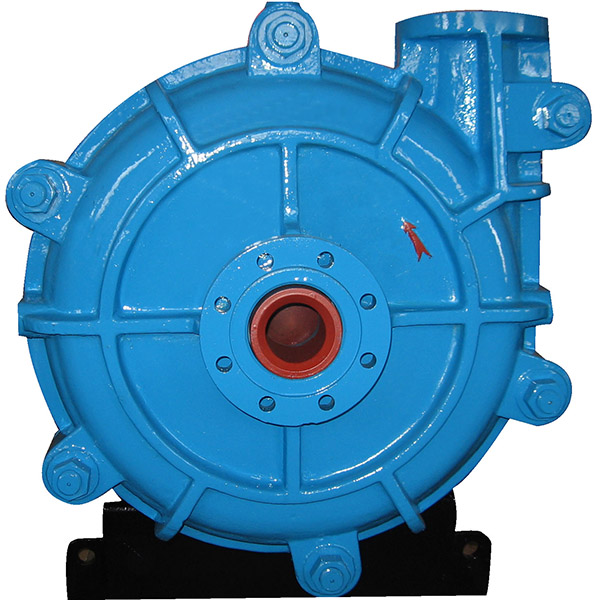 2026-04-02 11:59Reliable Mid-Range Solution_ Medium Head Heavy Duty Slurry PumpWhen dealing with complex slurry handling across mining, construction, or dredging environments, hav
 -
 2026-04-02 11:55GHD Grease Lubrication High Head Slurry Pump - Hebei Xiangmai Pump Co., Ltd._Durable High-Pressure SHebei Xiangmai Pump Co., Ltd. is a leading manufacturer of industrial pumps, offering innovative sol
 -
2026-04-02 10:38High-Quality Dredge Pumps for Sale – Sand & Slurry SolutionsNavigating the Evolving Landscape of Industrial Dredge Pumps and Market Trends The global industrial


